
BHAVANI INFRA • FAQ

Solar Questions, Practical Answers

Frequently asked questions are organised for customers planning a new system, maintaining an existing plant or sourcing repair components.

Solar Questions, Practical Answers
How is solar system size estimated?

Early sizing uses electricity consumption, tariff, available roof area and expected solar resource. Final capacity should be confirmed after site survey, shade review, electrical assessment and project objectives are understood.

How much roof area is required per kW?

A rough planning value can be used in the calculator, but actual area depends on module dimensions, orientation, setbacks, access paths, shade, roof geometry and structure.

Do you provide residential solar installation?

Yes. Residential services can include survey, sizing, layout, equipment planning, installation, protection, commissioning and maintenance guidance according to project scope.

Do you support commercial and industrial solar?

Yes. Commercial and industrial projects require additional attention to load profile, electrical infrastructure, roof access, shutdown planning, protection coordination and ongoing monitoring.

What solar repair problems can be checked?

Typical enquiries include inverter alarms, reduced generation, damaged connectors or cables, protection trips, mounting concerns, panel damage and monitoring issues. Diagnosis is required before parts are replaced.

Can I buy solar repair parts from the website?

The Solar Shop lists example panels, inverters, batteries, connectors, cables, protection devices, mounting hardware and repair-oriented parts. Final compatibility should be confirmed before purchase or installation.

Are product prices fixed?

Displayed prices are example or indicative ranges and can change with model, capacity, brand, taxes, transport, availability and installation scope. A current quotation should be requested before ordering.

Is installation price included in product price?

The shop shows product and installation information separately where available. Actual installation price depends on site access, wiring, protection, mounting, travel, capacity and required modifications.

How often should solar systems be maintained?

Maintenance frequency depends on dust, environment, roof access, equipment, generation importance and manufacturer guidance. Visual inspection and performance monitoring can help determine when service is required.

What does the solar calculator guarantee?

Nothing. The calculator is an early planning tool. Weather, shade, losses, tariff, self-consumption, equipment and final site design can change actual generation and savings.

How do warranties work?

Equipment warranties are generally provided by manufacturers, while installation workmanship scope depends on the service agreement. Warranty conditions, exclusions and claim steps should be confirmed in written project documents.

Can I request a quotation online?

Yes. The quote form accepts property type, location, electricity bill, roof area, capacity and service notes. The information helps the team prepare for a more focused project discussion.

DETAILED SOLAR KNOWLEDGE

Professional guidance, explained block by block

System sizing and energy use - BHAVANI INFRA Solar Energy

System sizing and energy use

System sizing and energy use is an important part of faq planning because customers need both technical clarity and practical expectations. The purpose of this section is to explain the decisions behind the visible equipment and to show how each decision connects to safety, performance, cost, serviceability and long-term ownership.

A professional solar decision starts with context rather than a single product specification. Electricity consumption, available roof or land area, shade, orientation, structural condition, tariff, daytime load, backup expectations and future expansion all influence the final recommendation. A good project process therefore connects energy data with physical site information before equipment is selected. This prevents oversizing, undersizing and avoidable changes during installation. It also gives the customer a clearer basis for comparing quotations because the discussion focuses on scope, assumptions, protection, workmanship and service responsibilities instead of only headline capacity.

BHAVANI INFRA treats each stage as part of one lifecycle. Survey information should flow into design; design decisions should be reflected in mounting, cable routing and protection; commissioning results should become the baseline for monitoring; and maintenance records should help diagnose future changes in performance. When these stages are disconnected, small documentation gaps can become larger service problems later. A structured workflow makes the system easier to understand, maintain and expand. It also gives the admin team a consistent place to manage service descriptions, project examples, products, policies, images and customer enquiries.

Solar equipment works as a system, not as isolated components. Modules, inverter, DC and AC protection, earthing, surge protection, connectors, cables, mounting hardware and monitoring must be compatible with the electrical and environmental conditions of the site. Selection should account for rated limits, temperature, voltage windows, current, protection coordination, cable distance and maintainability. The lowest initial cost is not automatically the lowest lifecycle cost if access is difficult, replacement parts are unavailable or installation quality creates recurring faults. Clear documentation and realistic product information help customers make more durable decisions.

Performance estimates should always be treated as indicative until a detailed assessment is complete. Weather, shade, soiling, module temperature, inverter efficiency, cable losses, clipping, grid availability and operating behaviour can change actual energy production. Similarly, financial savings depend on tariff, self-consumption, export rules and how the building uses electricity during solar production hours. A calculator is useful for early planning, but it should lead to better questions rather than a guaranteed result. The final quotation should identify the assumptions used and separate equipment cost, installation scope and optional service work.

Long-term reliability depends on inspection and maintenance as much as initial installation. Visual checks, cleaning where appropriate, connector and cable inspection, inverter alarms, protection devices, earthing, mounting condition and generation trends can reveal developing issues before they become major failures. Maintenance should be proportionate to the site environment and equipment. Industrial dust, coastal conditions, difficult roof access or high operational importance may justify more structured checks. The objective is not unnecessary intervention; it is to maintain safety, performance visibility and a clear service history over the life of the system.

For system sizing and energy use, the most useful next step is to record the site-specific facts, identify any unknowns and confirm them during survey or technical review. This website therefore presents information as structured guidance, while the quotation and admin-managed service records provide the project-specific scope. That separation keeps general education useful without presenting estimates or example data as a guarantee.

Installation and site readiness - BHAVANI INFRA Solar Energy

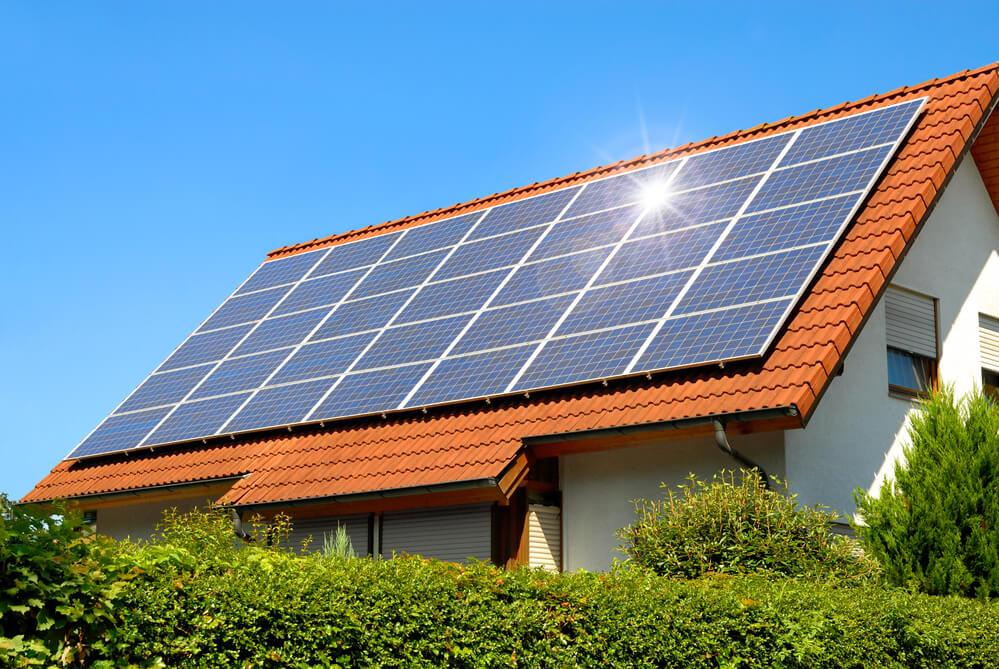
Installation and site readiness

Installation and site readiness is an important part of faq planning because customers need both technical clarity and practical expectations. The purpose of this section is to explain the decisions behind the visible equipment and to show how each decision connects to safety, performance, cost, serviceability and long-term ownership.

A professional solar decision starts with context rather than a single product specification. Electricity consumption, available roof or land area, shade, orientation, structural condition, tariff, daytime load, backup expectations and future expansion all influence the final recommendation. A good project process therefore connects energy data with physical site information before equipment is selected. This prevents oversizing, undersizing and avoidable changes during installation. It also gives the customer a clearer basis for comparing quotations because the discussion focuses on scope, assumptions, protection, workmanship and service responsibilities instead of only headline capacity.

BHAVANI INFRA treats each stage as part of one lifecycle. Survey information should flow into design; design decisions should be reflected in mounting, cable routing and protection; commissioning results should become the baseline for monitoring; and maintenance records should help diagnose future changes in performance. When these stages are disconnected, small documentation gaps can become larger service problems later. A structured workflow makes the system easier to understand, maintain and expand. It also gives the admin team a consistent place to manage service descriptions, project examples, products, policies, images and customer enquiries.

Solar equipment works as a system, not as isolated components. Modules, inverter, DC and AC protection, earthing, surge protection, connectors, cables, mounting hardware and monitoring must be compatible with the electrical and environmental conditions of the site. Selection should account for rated limits, temperature, voltage windows, current, protection coordination, cable distance and maintainability. The lowest initial cost is not automatically the lowest lifecycle cost if access is difficult, replacement parts are unavailable or installation quality creates recurring faults. Clear documentation and realistic product information help customers make more durable decisions.

Performance estimates should always be treated as indicative until a detailed assessment is complete. Weather, shade, soiling, module temperature, inverter efficiency, cable losses, clipping, grid availability and operating behaviour can change actual energy production. Similarly, financial savings depend on tariff, self-consumption, export rules and how the building uses electricity during solar production hours. A calculator is useful for early planning, but it should lead to better questions rather than a guaranteed result. The final quotation should identify the assumptions used and separate equipment cost, installation scope and optional service work.

Long-term reliability depends on inspection and maintenance as much as initial installation. Visual checks, cleaning where appropriate, connector and cable inspection, inverter alarms, protection devices, earthing, mounting condition and generation trends can reveal developing issues before they become major failures. Maintenance should be proportionate to the site environment and equipment. Industrial dust, coastal conditions, difficult roof access or high operational importance may justify more structured checks. The objective is not unnecessary intervention; it is to maintain safety, performance visibility and a clear service history over the life of the system.

For installation and site readiness, the most useful next step is to record the site-specific facts, identify any unknowns and confirm them during survey or technical review. This website therefore presents information as structured guidance, while the quotation and admin-managed service records provide the project-specific scope. That separation keeps general education useful without presenting estimates or example data as a guarantee.

Maintenance and fault diagnosis - BHAVANI INFRA Solar Energy

Maintenance and fault diagnosis

Maintenance and fault diagnosis is an important part of faq planning because customers need both technical clarity and practical expectations. The purpose of this section is to explain the decisions behind the visible equipment and to show how each decision connects to safety, performance, cost, serviceability and long-term ownership.

A professional solar decision starts with context rather than a single product specification. Electricity consumption, available roof or land area, shade, orientation, structural condition, tariff, daytime load, backup expectations and future expansion all influence the final recommendation. A good project process therefore connects energy data with physical site information before equipment is selected. This prevents oversizing, undersizing and avoidable changes during installation. It also gives the customer a clearer basis for comparing quotations because the discussion focuses on scope, assumptions, protection, workmanship and service responsibilities instead of only headline capacity.

BHAVANI INFRA treats each stage as part of one lifecycle. Survey information should flow into design; design decisions should be reflected in mounting, cable routing and protection; commissioning results should become the baseline for monitoring; and maintenance records should help diagnose future changes in performance. When these stages are disconnected, small documentation gaps can become larger service problems later. A structured workflow makes the system easier to understand, maintain and expand. It also gives the admin team a consistent place to manage service descriptions, project examples, products, policies, images and customer enquiries.

Solar equipment works as a system, not as isolated components. Modules, inverter, DC and AC protection, earthing, surge protection, connectors, cables, mounting hardware and monitoring must be compatible with the electrical and environmental conditions of the site. Selection should account for rated limits, temperature, voltage windows, current, protection coordination, cable distance and maintainability. The lowest initial cost is not automatically the lowest lifecycle cost if access is difficult, replacement parts are unavailable or installation quality creates recurring faults. Clear documentation and realistic product information help customers make more durable decisions.

Performance estimates should always be treated as indicative until a detailed assessment is complete. Weather, shade, soiling, module temperature, inverter efficiency, cable losses, clipping, grid availability and operating behaviour can change actual energy production. Similarly, financial savings depend on tariff, self-consumption, export rules and how the building uses electricity during solar production hours. A calculator is useful for early planning, but it should lead to better questions rather than a guaranteed result. The final quotation should identify the assumptions used and separate equipment cost, installation scope and optional service work.

Long-term reliability depends on inspection and maintenance as much as initial installation. Visual checks, cleaning where appropriate, connector and cable inspection, inverter alarms, protection devices, earthing, mounting condition and generation trends can reveal developing issues before they become major failures. Maintenance should be proportionate to the site environment and equipment. Industrial dust, coastal conditions, difficult roof access or high operational importance may justify more structured checks. The objective is not unnecessary intervention; it is to maintain safety, performance visibility and a clear service history over the life of the system.

For maintenance and fault diagnosis, the most useful next step is to record the site-specific facts, identify any unknowns and confirm them during survey or technical review. This website therefore presents information as structured guidance, while the quotation and admin-managed service records provide the project-specific scope. That separation keeps general education useful without presenting estimates or example data as a guarantee.

Products, spare parts and warranties - BHAVANI INFRA Solar Energy

Products, spare parts and warranties

Products, spare parts and warranties is an important part of faq planning because customers need both technical clarity and practical expectations. The purpose of this section is to explain the decisions behind the visible equipment and to show how each decision connects to safety, performance, cost, serviceability and long-term ownership.

A professional solar decision starts with context rather than a single product specification. Electricity consumption, available roof or land area, shade, orientation, structural condition, tariff, daytime load, backup expectations and future expansion all influence the final recommendation. A good project process therefore connects energy data with physical site information before equipment is selected. This prevents oversizing, undersizing and avoidable changes during installation. It also gives the customer a clearer basis for comparing quotations because the discussion focuses on scope, assumptions, protection, workmanship and service responsibilities instead of only headline capacity.

BHAVANI INFRA treats each stage as part of one lifecycle. Survey information should flow into design; design decisions should be reflected in mounting, cable routing and protection; commissioning results should become the baseline for monitoring; and maintenance records should help diagnose future changes in performance. When these stages are disconnected, small documentation gaps can become larger service problems later. A structured workflow makes the system easier to understand, maintain and expand. It also gives the admin team a consistent place to manage service descriptions, project examples, products, policies, images and customer enquiries.

Solar equipment works as a system, not as isolated components. Modules, inverter, DC and AC protection, earthing, surge protection, connectors, cables, mounting hardware and monitoring must be compatible with the electrical and environmental conditions of the site. Selection should account for rated limits, temperature, voltage windows, current, protection coordination, cable distance and maintainability. The lowest initial cost is not automatically the lowest lifecycle cost if access is difficult, replacement parts are unavailable or installation quality creates recurring faults. Clear documentation and realistic product information help customers make more durable decisions.

Performance estimates should always be treated as indicative until a detailed assessment is complete. Weather, shade, soiling, module temperature, inverter efficiency, cable losses, clipping, grid availability and operating behaviour can change actual energy production. Similarly, financial savings depend on tariff, self-consumption, export rules and how the building uses electricity during solar production hours. A calculator is useful for early planning, but it should lead to better questions rather than a guaranteed result. The final quotation should identify the assumptions used and separate equipment cost, installation scope and optional service work.

Long-term reliability depends on inspection and maintenance as much as initial installation. Visual checks, cleaning where appropriate, connector and cable inspection, inverter alarms, protection devices, earthing, mounting condition and generation trends can reveal developing issues before they become major failures. Maintenance should be proportionate to the site environment and equipment. Industrial dust, coastal conditions, difficult roof access or high operational importance may justify more structured checks. The objective is not unnecessary intervention; it is to maintain safety, performance visibility and a clear service history over the life of the system.

For products, spare parts and warranties, the most useful next step is to record the site-specific facts, identify any unknowns and confirm them during survey or technical review. This website therefore presents information as structured guidance, while the quotation and admin-managed service records provide the project-specific scope. That separation keeps general education useful without presenting estimates or example data as a guarantee.

Pricing, savings and project expectations - BHAVANI INFRA Solar Energy

Pricing, savings and project expectations

Pricing, savings and project expectations is an important part of faq planning because customers need both technical clarity and practical expectations. The purpose of this section is to explain the decisions behind the visible equipment and to show how each decision connects to safety, performance, cost, serviceability and long-term ownership.

A professional solar decision starts with context rather than a single product specification. Electricity consumption, available roof or land area, shade, orientation, structural condition, tariff, daytime load, backup expectations and future expansion all influence the final recommendation. A good project process therefore connects energy data with physical site information before equipment is selected. This prevents oversizing, undersizing and avoidable changes during installation. It also gives the customer a clearer basis for comparing quotations because the discussion focuses on scope, assumptions, protection, workmanship and service responsibilities instead of only headline capacity.

BHAVANI INFRA treats each stage as part of one lifecycle. Survey information should flow into design; design decisions should be reflected in mounting, cable routing and protection; commissioning results should become the baseline for monitoring; and maintenance records should help diagnose future changes in performance. When these stages are disconnected, small documentation gaps can become larger service problems later. A structured workflow makes the system easier to understand, maintain and expand. It also gives the admin team a consistent place to manage service descriptions, project examples, products, policies, images and customer enquiries.

Solar equipment works as a system, not as isolated components. Modules, inverter, DC and AC protection, earthing, surge protection, connectors, cables, mounting hardware and monitoring must be compatible with the electrical and environmental conditions of the site. Selection should account for rated limits, temperature, voltage windows, current, protection coordination, cable distance and maintainability. The lowest initial cost is not automatically the lowest lifecycle cost if access is difficult, replacement parts are unavailable or installation quality creates recurring faults. Clear documentation and realistic product information help customers make more durable decisions.

Performance estimates should always be treated as indicative until a detailed assessment is complete. Weather, shade, soiling, module temperature, inverter efficiency, cable losses, clipping, grid availability and operating behaviour can change actual energy production. Similarly, financial savings depend on tariff, self-consumption, export rules and how the building uses electricity during solar production hours. A calculator is useful for early planning, but it should lead to better questions rather than a guaranteed result. The final quotation should identify the assumptions used and separate equipment cost, installation scope and optional service work.

Long-term reliability depends on inspection and maintenance as much as initial installation. Visual checks, cleaning where appropriate, connector and cable inspection, inverter alarms, protection devices, earthing, mounting condition and generation trends can reveal developing issues before they become major failures. Maintenance should be proportionate to the site environment and equipment. Industrial dust, coastal conditions, difficult roof access or high operational importance may justify more structured checks. The objective is not unnecessary intervention; it is to maintain safety, performance visibility and a clear service history over the life of the system.

For pricing, savings and project expectations, the most useful next step is to record the site-specific facts, identify any unknowns and confirm them during survey or technical review. This website therefore presents information as structured guidance, while the quotation and admin-managed service records provide the project-specific scope. That separation keeps general education useful without presenting estimates or example data as a guarantee.